

“I came to the conclusion that there is a plurality of ideals, as there is a plurality of cultures and of temperaments. I am not a relativist; I do not say “I like my coffee with milk and you like it without; I am in favor of kindness and you prefer concentration camps” — each of us with his own values, which cannot be overcome or integrated. This I believe to be false. But I do believe that there is a plurality of values which men can and do seek, and that these values differ. There is not an infinity of them: the number of human values, of values that I can pursue while maintaining my human semblance, my human character, is finite — let us say 74, or perhaps 122, or 26, but finite, whatever it may be. And the difference it makes is that if a man pursues one of these values, I, who do not, am able to understand why he pursues it or what it would be like, in his circumstances, for me to be induced to pursue it. Hence the possibility of human understanding.”
The culture of the internet that I have participated in for the past 15 years hasn’t been a very open experience. I find it reactionary and ghettoized into factions, rewarding aggressive sensational behavior. I’ve been a part of that culture in the past, and I want to find my way out of it – or maybe change it.
I discovered Isaiah Berlin five or six years ago. He began his life in 1909 Riga, the now capital of Latvia, but the Russian Empire at the time. After he was born his family moved to Moscow, and consequently he witnessed the Russian Revolution at the age of 6. Persecution for being Jewish under both the Russian Empire and Soviet Union, his family relocated to England in 1921. Young Berlin rose through the education system to global influence, winning a number of awards and honors from many nations through his long storied academic career.
I find I am often drawn to the works of insider/outsider thinkers and personalities. Isaiah Berlin, a Russian Jew who spoke no English when his family flees Russia, grows up in England and climbs the heights of the Oxford University system. It created a unique perspective which I have to imagine fed his philosophy. Famous for his essay, The Fox and the Hedgehog – “The hedgehog knows one thing very well, though the fox knows many.” As well as his theories of Value Pluralism, Positive and Negative Freedom, and his lectures on the Counter Enlightenment.
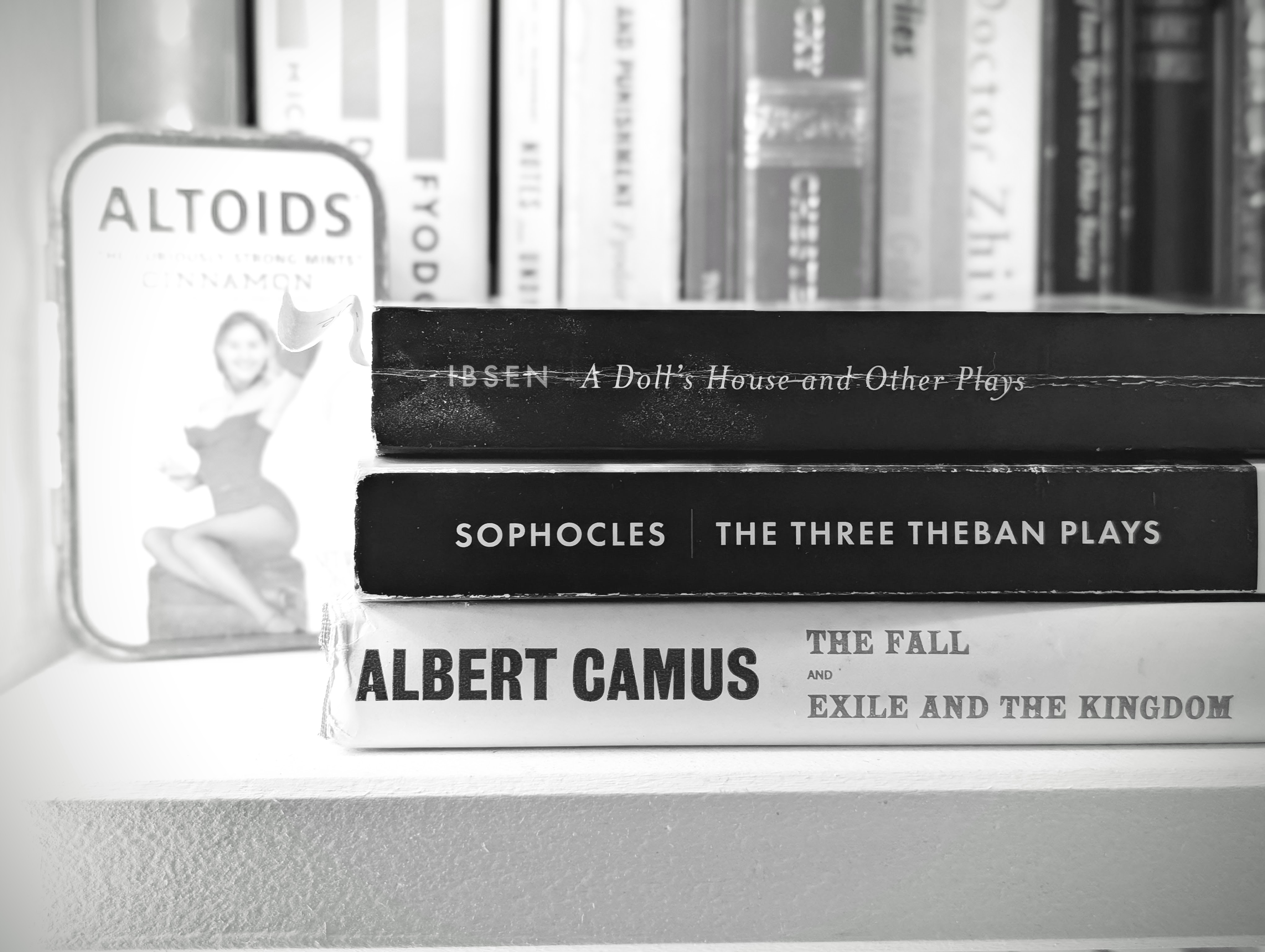
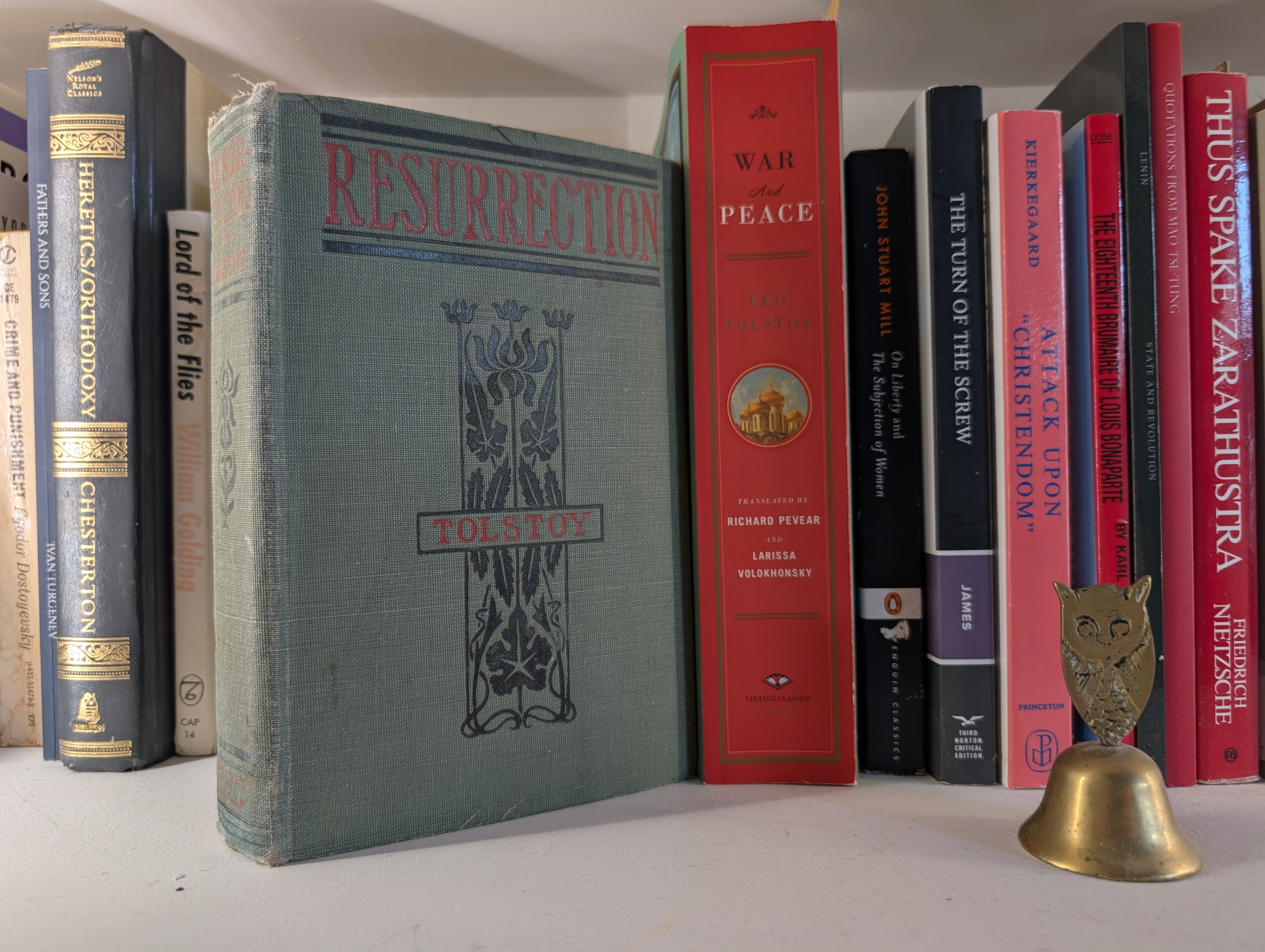
Its value pluralism, that I draw most from, especially in forming the book club we started. We read the same book, yet draw different conclusions from it, drawn from our own unique experience of life. It was important to me to gather people who I knew were from different backgrounds (as much as I could), to gather together monthly in person, and in an environment that was both open to experiencing, and patient with those differences of opinion. We try and choose books with both historic value and current relevance. Over a long meal at a local pub, we digest the text in small monthly bites of no more than 200ish pages and limit topics of conversation to what we can draw from the text being discussed.
I know it’s changed me, the book club. I find myself more patient, I slow down conversations as much as I can – both online and in person. I’ve learned that disagreements are often misunderstandings. I find we often use the same words to mean different things. I try to ask more questions, and listen more than I talk. I try and be a better facilitator of conversation, to help create space for difference, to understand each other. Having a space in my life, off-line where we discuss a text written dozens if not hundreds of years old, it lowers the stakes for the difference of opinion a bit, though importantly not to the point of escaping it. I think more of us would benefit from that. It’s changed me.



Leave a Reply