

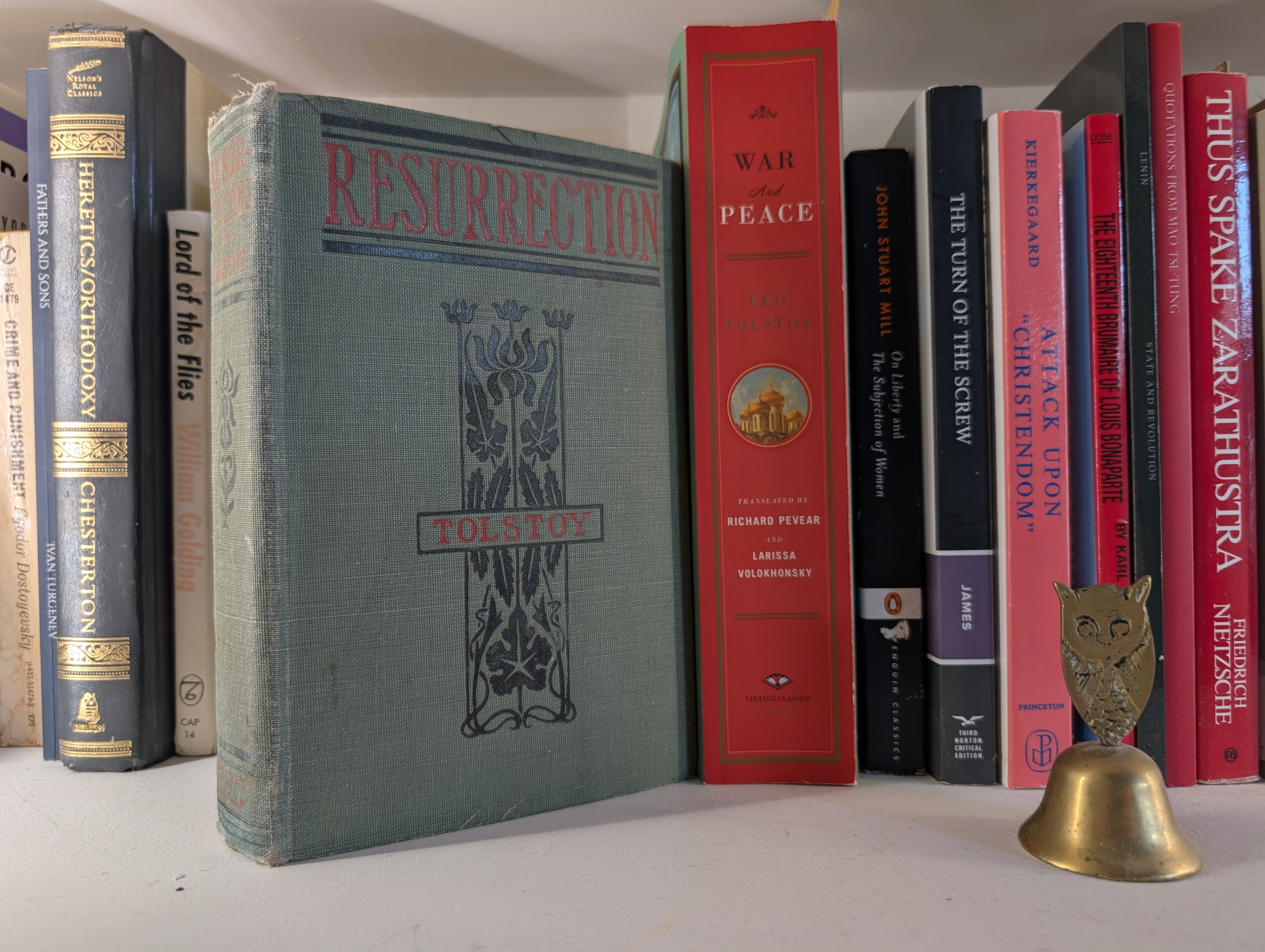
C.S. Lewis was my first literary anglo-crush. My mom read us the Narnia Chronicles when I was a kid, and I rediscovered his no-fiction work in my 20’s. From Lewis I ventured in to Tolkien, GK Chesterton and then I kind of had a bit of a dry spell. But these last few years as I have ventured into literary criticism I have been really enjoying Isaiah Berlin and his essays on the counter-enlightenment.

“Myths are not, as enlightened thinkers believe, false statements about reality corrected by later rational criticism, nor is poetry mere embellishment of what could equally well be stated in ordinary prose. The myths and poetry of antiquity embody a vision of the world as authentic as that of Greek philosophy, or Roman law, or the poetry and culture of our own enlightened age – earlier, cruder, remote from us, but with its own voice, as we hear it in the Iliad or the Twelve Tables, belonging uniquely to its own culture, and with a sublimity which cannot be reproduced by a later, more sophisticated culture. Each culture expresses its own collective experience, each step on the ladder of human development has its own equally authentic means of expression.”
There was a journey during the enlightenment that I had never really appreciated. When the scientific and metaphysical currents were moving toward a view that the course of human events was culminating us collectively into one single utopian view of the world one that very much held a disdainful view of the world before it. But, there were dissenters, critics. Joseph de Maistre in Sardinia and Edmund Burke in Britain Johann Georg Hamann and the German Romantic Movement. Some of them were asking for a halt to progress, others for a slower incremental movement. It got tense, and considering our present moment it feels a bit familiar.
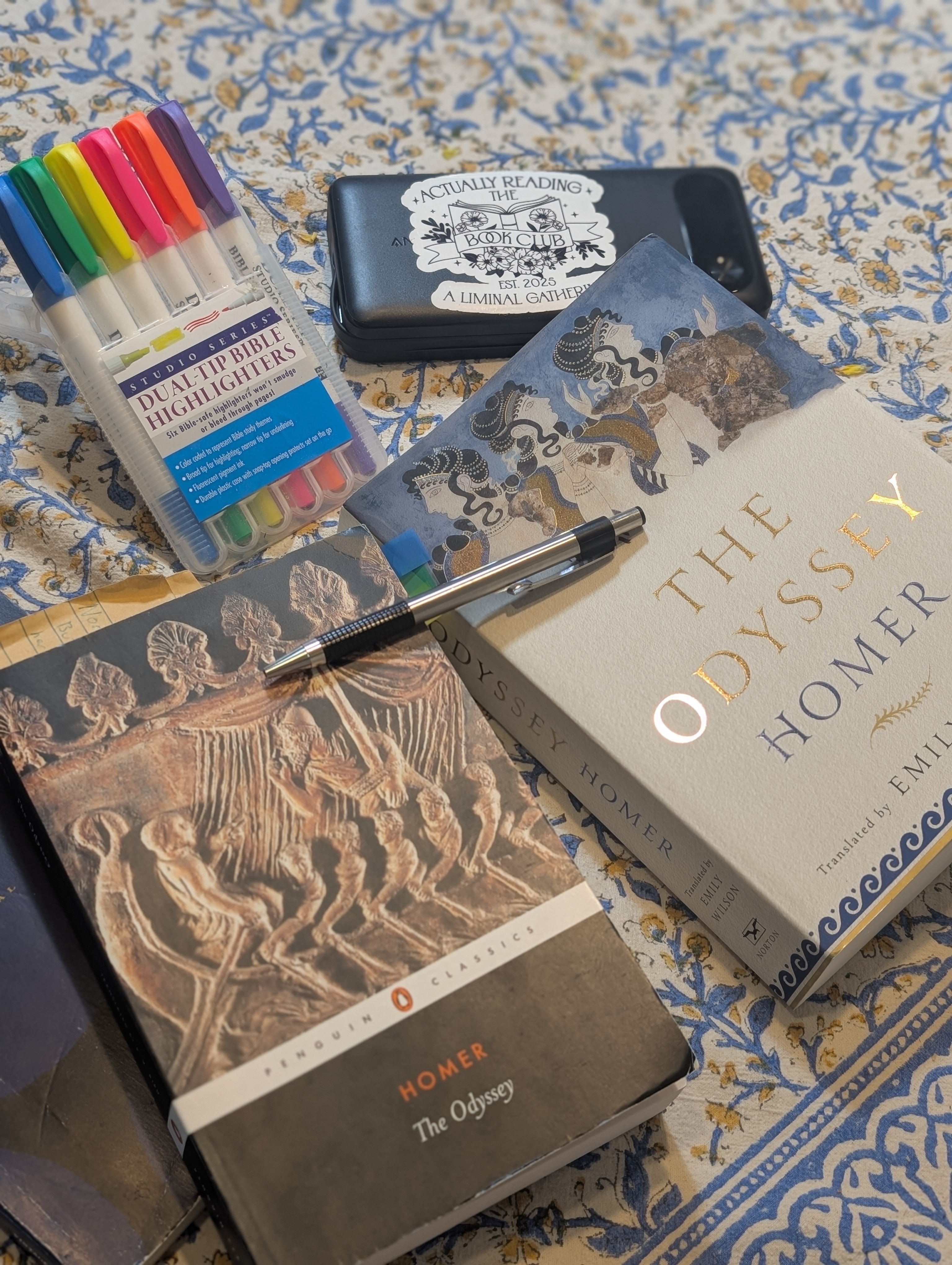
In reading for Antigone there was a similar movement in the Hellenistic world with the writings and teachings of Plato and Socrates, who were arguing for a single “platonic” truth or ideal to be found, in a sea of sophists who spoke from unique perspectives. It’s a thin subplot that I see woven through the narrative of Antigone that offers two competing perspectives that fail to even enter into a dialogue or negotiated understanding of one another.
I really value Berlin’s work on pluralism which he seemed to gain through his study of the counter-enlightenment . “…because it does, at least, recognize the fact that human goals are many, not all of them conmensurable, and in perpetual rivalry with one another…” he says in his essay Two Concepts of Liberty. That there is something in between the uncompromising monistic view and the endlessly open ended relativistic view of the world. But it asks for judgment, it asks for wisdom. Which is a much harder sell than either certainty or ambiguity. But it’s a noble struggle that I hope to continue with my life.
Wisdom is the supreme part of happiness; and reverence towards the gods must be inviolate.
Sophocles – Antigone


Leave a Reply